Global Stroke Cases Soar 70%, New Report Finds Most Are Preventable
World Stroke Organization data, published in the International Journal of Stroke 2025, calls for urgent global action on prevention and treatment
Nilambar Rath
The world is facing a devastating and accelerating stroke crisis, with new cases soaring by 70% in the last three decades, according to a landmark new report from the World Stroke Organization (WSO).
The “Global Stroke Fact Sheet 2025,” published in the International Journal of Stroke (2025), paints a stark picture. Annually, nearly 12 million people worldwide suffer a new stroke, and 7 million die from it, making stroke the second leading cause of death and the third leading cause of death and disability combined.
The data, derived from the Global Burden of Disease (GBD) 2021 study, translates into a chilling lifetime risk: one in four people over the age of 25 will have a stroke in their lifetime.
This escalating health emergency carries a staggering economic cost, draining over US$890 billion from the global economy every year—equivalent to 0.66% of the world’s total GDP.
However, the report’s most urgent message is not one of despair, but of opportunity: the overwhelming majority of this burden is preventable.
A Crisis of Inequity
While stroke is often perceived as a disease of wealthy, aging nations, the WSO report reveals a starkly different reality. The burden has dramatically shifted, and stroke is now overwhelmingly a crisis of low- and lower-middle-income countries (LMICs).
These nations now account for a staggering 87% of all stroke deaths and 89% of healthy life-years lost to stroke-related death and disability.
The report also shatters the myth that stroke is exclusively a disease of the elderly. More than half (53%) of all new strokes now occur in people under the age of 70. Fifteen percent of all new strokes—totaling 1.76 million cases annually—strike people in the prime of their lives, between the ages of 15 and 49.
“These numbers are alarming,”writes Professor Valery L. Feigin of Auckland University of Technology, the lead author of the report. “The fact that the bulk of the global stroke burden resides in lower-income countries, and is affecting younger populations, signals a massive failure in global public health equity and prevention.”
The Preventable Scourge
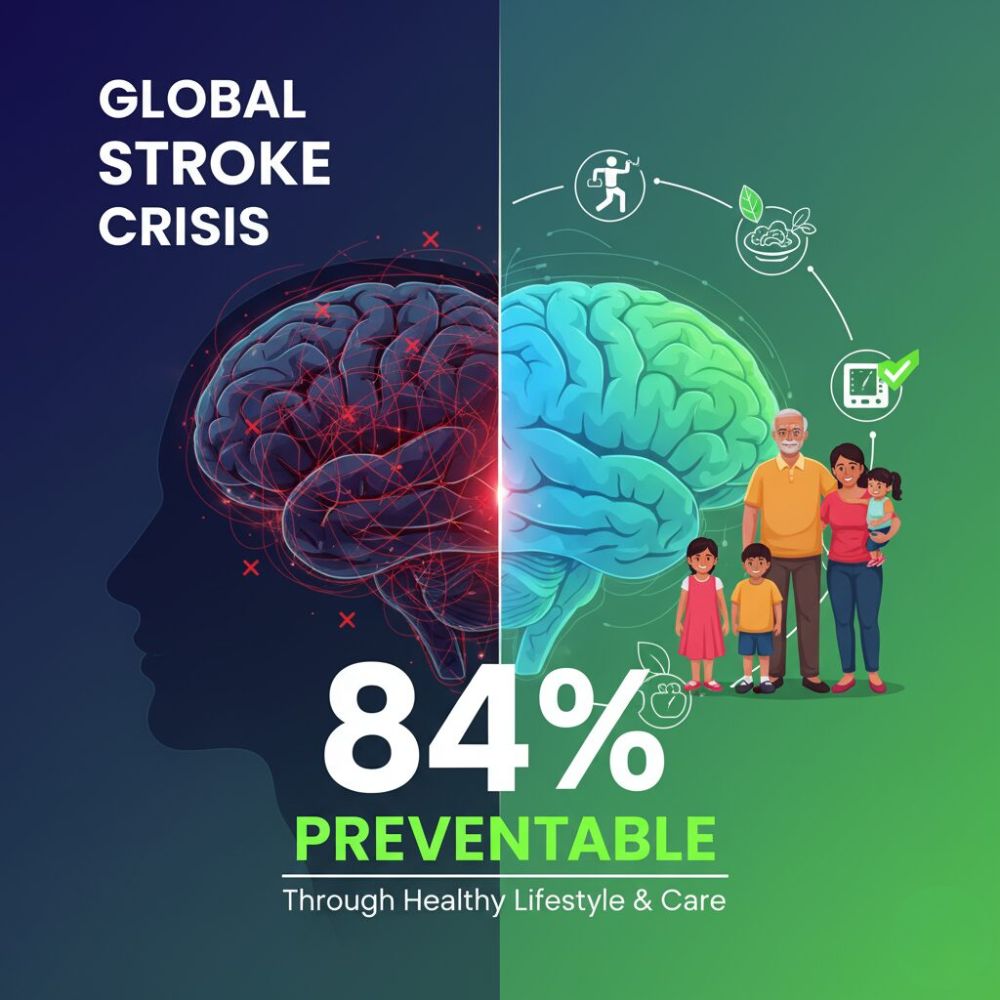
The WSO report emphasizes that this crisis is not inevitable. A staggering 84% of the global stroke burden is attributable to a set of 23 modifiable risk factors, presenting a clear roadmap for action.
These risks fall into three main categories:
-
Metabolic Risks (69%): This is the largest driver, dominated by high systolic blood pressure (hypertension), which alone accounts for 57% of all stroke-related disability. Other key factors include high body mass index (BMI), high fasting plasma glucose (diabetes), and high cholesterol.
-
Environmental Risks (37%): Air pollution (both ambient and household) is a major, and often overlooked, contributor. Extreme temperatures are also an emerging threat.
-
Behavioral Risks (35%): Smoking, poor diet (particularly high sodium, high sugary-drink consumption, and low fruit/vegetable intake), and low physical activity remain critical drivers.
Worryingly, while some progress has been made in reducing risks like smoking, the burden from high BMI, high blood sugar, and sugary drinks is increasing, threatening to overwhelm health systems.
The Gaps in Care
The report highlights a two-pronged failure: a failure in prevention and a critical gap in management.
Even when strokes occur, access to modern, life-saving treatment is profoundly unequal. For ischemic strokes, where a blood clot blocks an artery to the brain, a revolutionary procedure called mechanical thrombectomy can remove the clot and dramatically reduce disability.
Yet, the WSO notes that globally, fewer than 5% of eligible patients receive this game-changing treatment.
“We have the tools to both prevent and treat stroke effectively,” a WSO spokesperson stated. “The disconnect between what is possible and what is being delivered, especially in LMICs, is unacceptable.”
To close this gap, the WSO and the Lancet Neurology Commission have outlined pragmatic solutions, urging governments to:
-
Invest in Acute Care: Prioritize the planning and funding of dedicated stroke units and infrastructure for clot-busting drugs (thrombolysis) and mechanical thrombectomy.
-
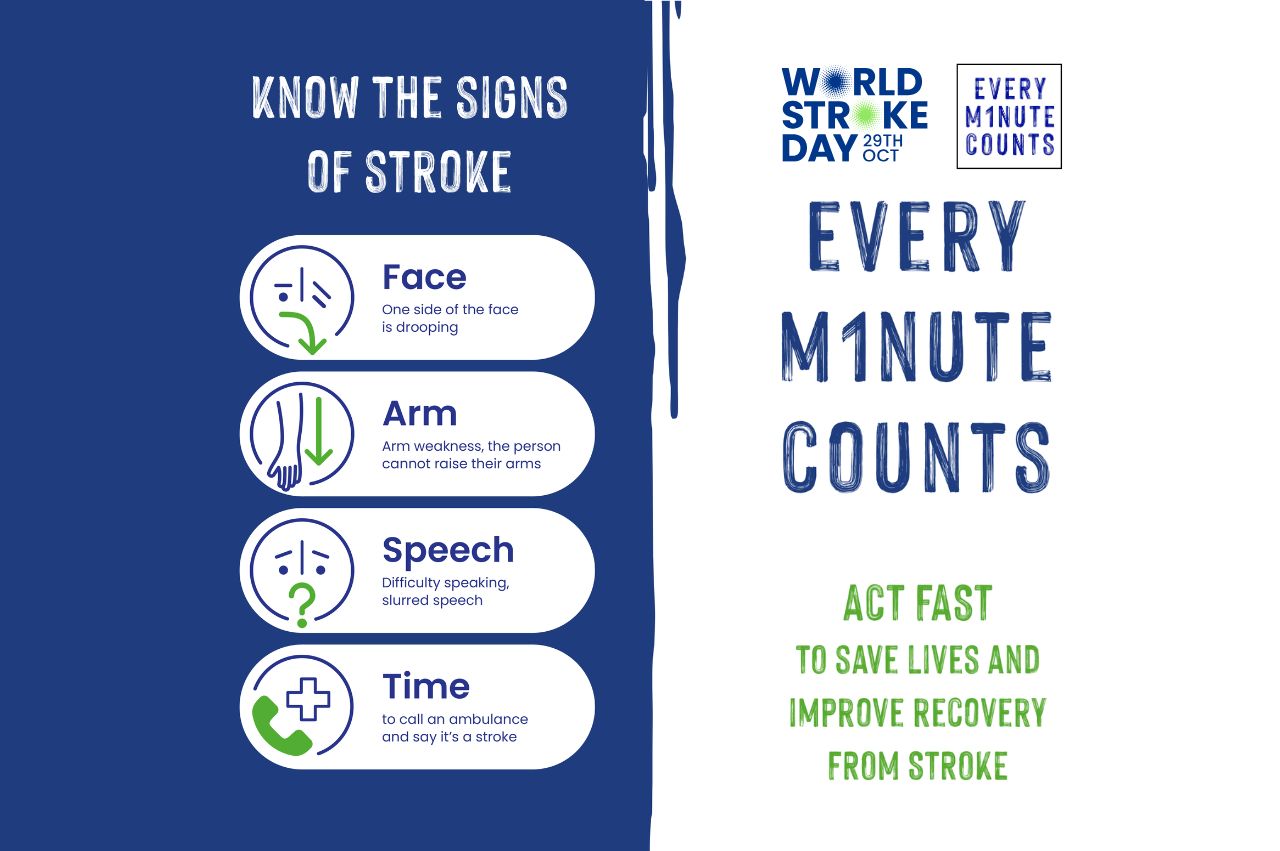
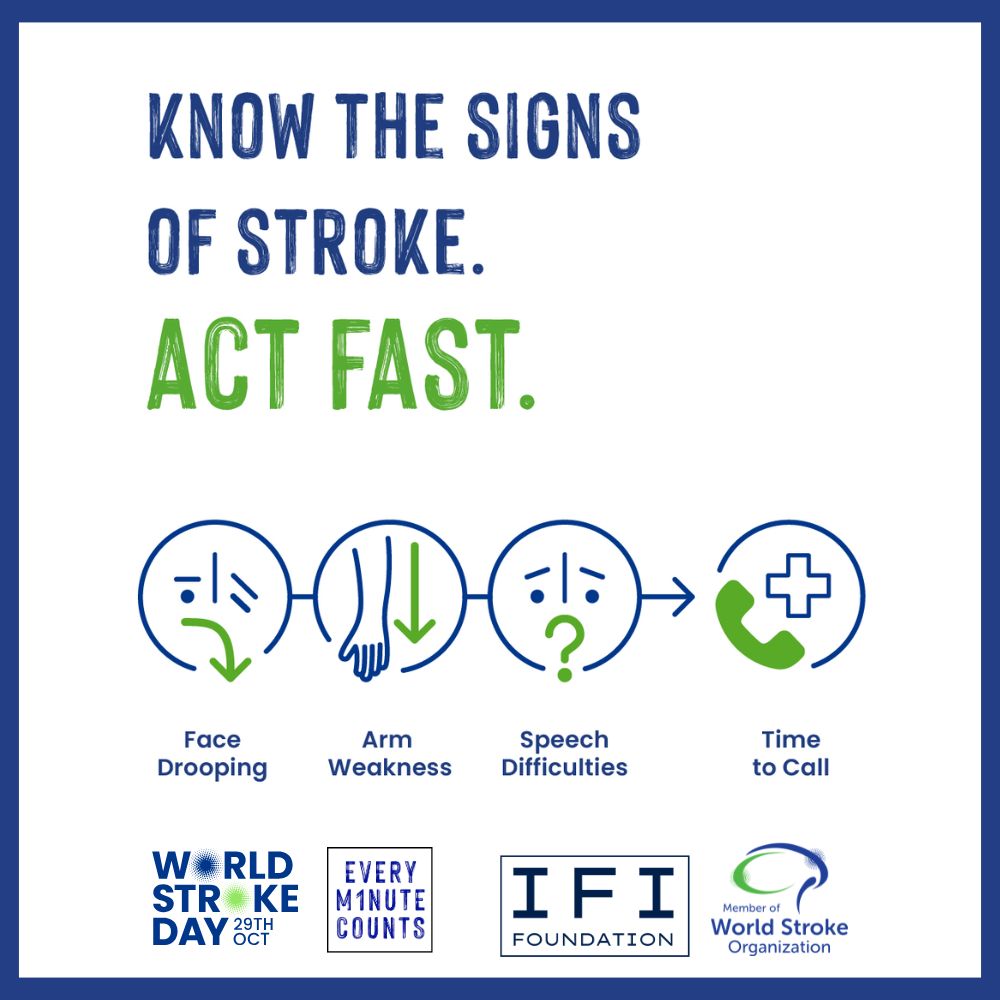
Boost Public Awareness: Use digital technologies and public campaigns to educate citizens on risk factors and the warning signs of stroke.
-
Empower the Workforce: Train community health workers to assist in identifying high-risk individuals and supporting long-term care, especially in resource-poor settings.
-
Tackle Social Determinants: Implement bold public policies that address the root causes of stroke, such as air pollution and the availability of unhealthy foods.
Success Stories Offer Hope
The report proves that change is possible, highlighting successful interventions from around the world.
In South Africa, the implementation of a tax on sugary beverages led to an average 29% reduction in purchases, a major victory against a key metabolic risk factor.
In Brazil, a program to train community health workers to use the “Stroke Riskometer” app—a digital tool to assess stroke risk—successfully helped participants lower their blood pressure and increase physical activity.
As we all observe the World Stroke Day, the WSO’s message is clear: stroke is a global health crisis that is escalating, inequitable, and costly. But because it is largely preventable, it is a crisis we have the power to solve. This fact sheet is not just a warning; it is a blueprint for action.
(About the Author: Nilambar Rath is the Co-Chair of the IFI Foundation and Founder & CEO of OdishaLIVE. He has a keen interest in public health communication and outreach, leading campaigns to raise awareness on critical health issues like brain stroke and hypertension.)
Courtesy: Odisha Plus