
Disaster Communications
When crisis strikes, timely and accurate information supports better outcomes.
Overview
In the aftermath of natural disasters and public emergencies, the gap between accurate information and misinformation can determine outcomes. Communities affected by crises often face a dual challenge: the disaster itself, and the absence of reliable, timely information to guide response, relief, and recovery efforts.
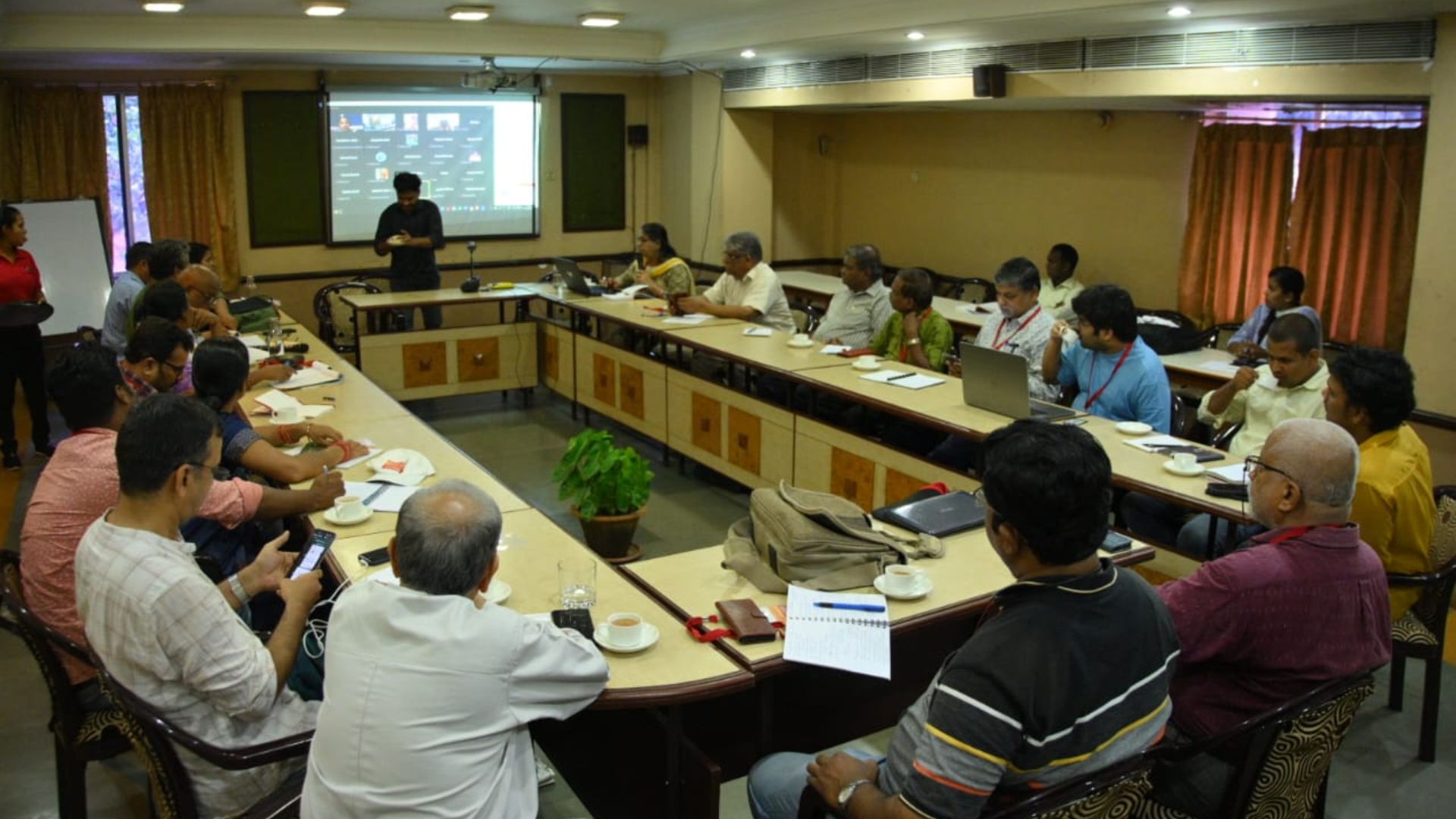
IFI Foundation’s Disaster Communications programme works to strengthen the information ecosystem during and after crises. Drawing on our experience in health communication and media partnerships, we support rapid-response messaging, coordination across relief organisations, and documentation that helps communities and agencies respond more effectively.
Our Approach
We focus on three interconnected areas that together strengthen the information response during crises.
Rapid-Response Messaging
When a disaster strikes, the first hours are critical. Our rapid-response capability focuses on getting verified, actionable information to affected communities as quickly as possible.
- Real-time verification and dissemination of critical safety information
- Multilingual messaging to reach affected communities in the language they understand
- Coordination with on-ground relief teams to bridge information gaps
- Social media monitoring to counter misinformation during crisis windows
Civil Society Coordination
Effective disaster response depends on coordination across organisations. We facilitate communication between relief agencies, local government bodies, media outlets, and community groups to reduce duplication, fill gaps, and ensure that information reaches the people who need it most. Our role is to serve as an information bridge, connecting organisations that are working toward the same goals but may not have direct communication channels.
Documentation & Advocacy
Beyond immediate response, we document the information landscape during crises, capturing what worked, what gaps emerged, and what systemic changes are needed. This documentation supports advocacy for stronger disaster communication policies and better-prepared information systems at the state and national level.
Response Experience
Our disaster communications capability in action.
CAR Bahanaga Train Tragedy (June 2023)
Following the Bahanaga train accident in Odisha, IFI Foundation activated its disaster communications support to assist affected communities and coordinate information across relief efforts. Working alongside CYSD (Centre for Youth and Social Development), the lead partner for the Citizen Actions Response (CAR) during the Bahanaga train tragedy response, and other media partners and civil society organisations, we focused on ensuring that verified information reached families, first responders, and the broader public during a critical window when misinformation was widespread.
- Coordinated real-time information dissemination with OdishaLIVE and partner organisations
- Supported ground-level situational awareness for relief teams and volunteers
- Documented the information response to inform future crisis communication preparedness
Cyclone Dana (October 2024)
When Cyclone Dana made landfall in Odisha in October 2024, IFI Foundation contributed to producing civil society response coordination bulletins on 23 and 25 October 2024. These bulletins supported situational awareness and coordination across relief and response organisations during the cyclone window.
This work was carried out alongside partners including CYSD, Swasthya Plus Network, UNDP, UNICEF, and other civil society organisations, demonstrating that the disaster communications capability built during the Bahanaga response is an ongoing, standing capacity rather than a one-time activation.
- Contributed to civil society coordination bulletins for the cyclone response
- Worked alongside CYSD, Swasthya Plus Network, UNDP, UNICEF, and other partners
- Supported information coordination across relief organisations during the disaster window
Readiness
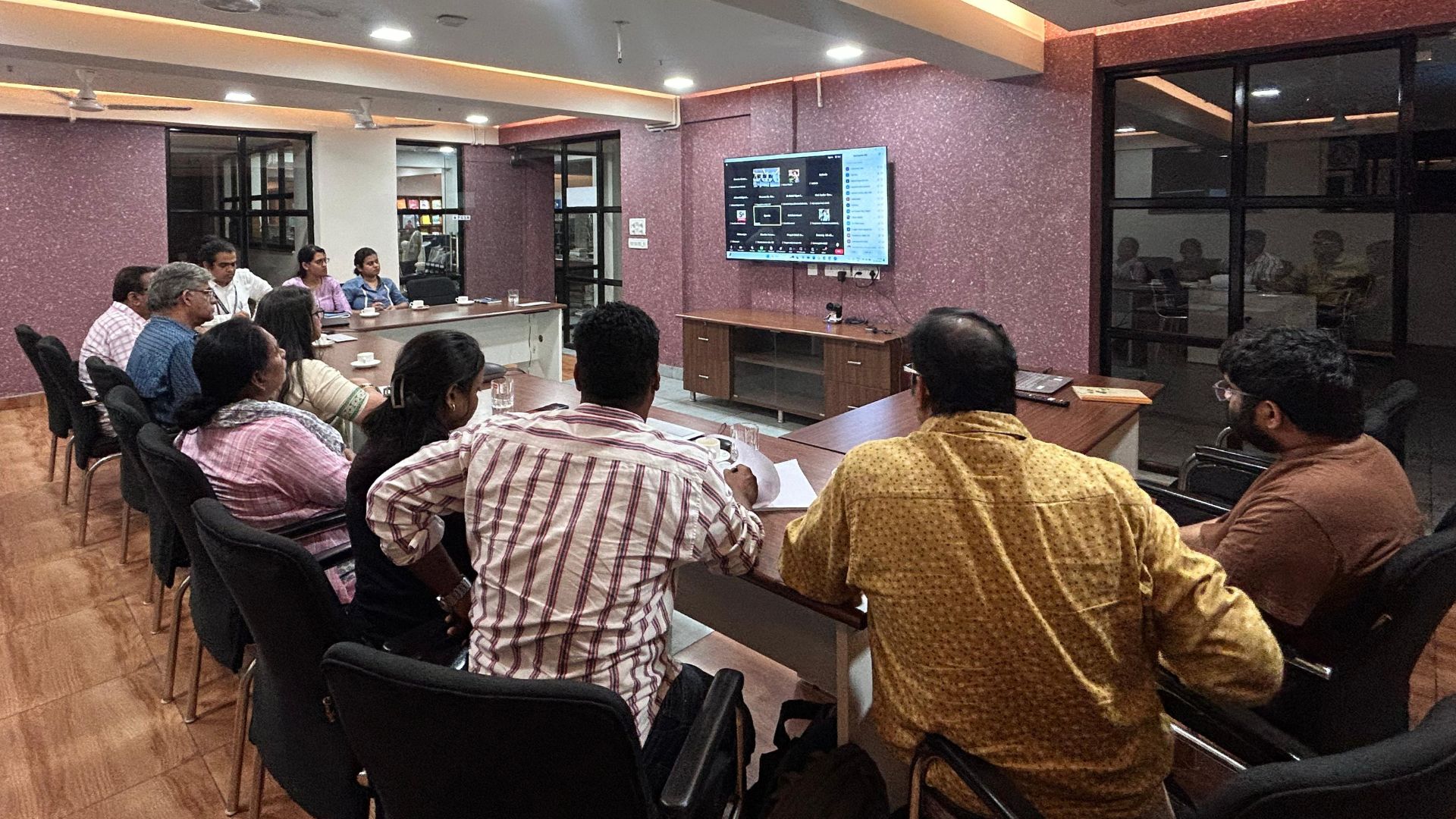
We maintain standing capacity to support disaster communication needs as they arise.
Established protocols for rapid activation of communication support during natural disasters and public emergencies
Network of media partners, civil society organisations, and digital volunteers who can be mobilised at short notice
Template-based messaging frameworks that can be adapted to specific crisis contexts within hours
Post-event documentation processes to capture lessons learned and strengthen future response
Reports & Documentation
Public documentation from our disaster communications work, recording how civil society coordinated during each response.
Strengthen Disaster Preparedness Together
If you are a disaster response organisation, government agency, or media partner, we welcome collaboration to strengthen information systems for crisis response.
Partner With Us