Acting ‘FAST’ in the Golden Hour: Dr. Maya Gantayet on Combating the Rising Brain Stroke Crisis
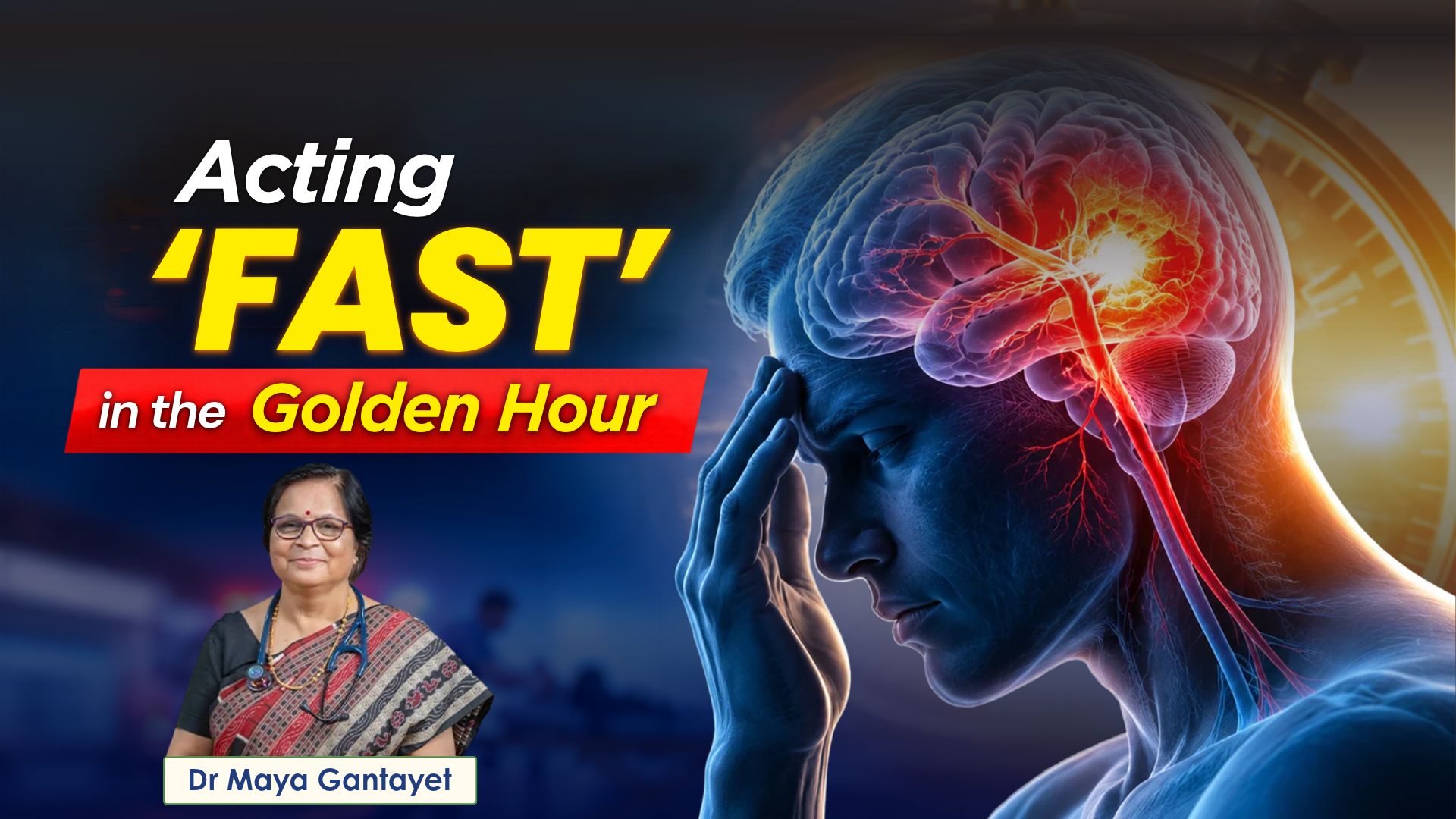
Renowned neurologist and Managing Director of Ashwini Hospitals, Dr. Maya Gantayet, shares a practical roadmap for recognizing, preventing, and managing brain stroke to save lives and prevent permanent disability.
By Priyanka Sucharita and Nilambar Rath
Brain stroke has rapidly emerged as one of the most pressing global public health challenges of our time. According to the World Health Organization (WHO) and the World Stroke Organization (WSO), stroke stands as the second leading cause of death and the third leading cause of long-term disability worldwide, affecting over 12 million people annually. With changing lifestyles, rising stress levels, and an ageing population, the burden of this neurological emergency is shifting dramatically toward low- and middle-income countries, including India.
To build public health literacy around this silent epidemic, the ‘Spot Stroke, Save Lives’ awareness campaign is being run by IFI Foundation and its partners on the occasion of World Stroke Day (WSD) since 2023. Guiding this vital public health initiative during WSD 2026, renowned neurologist and Co-Founder and Managing Director of Ashwini Hospitals, one of Odisha’s leading trauma and critical care centres, Dr. Maya Gantayet, spoke at length in an exclusive interview about the medical realities of brain stroke, urgent golden-hour interventions, and long-term rehabilitation.
Why Brain Stroke Differs from a Heart Attack?
In medical terminology, a brain stroke is known as a "Cerebrovascular Accident" (CVA), which is a sudden disruption in the blood supply to the brain. Dr. Gantayet points out that this happens in two ways: either a blood vessel gets blocked by a clot (ischemic stroke), cutting off oxygen and nutrients to brain tissues, or a blood vessel ruptures (hemorrhagic stroke), causing internal bleeding and clot formation in the brain.
Highlighting why brain stroke poses a uniquely difficult public health challenge compared to cardiac emergencies, Dr. Gantayet explains that a heart attack almost always announces itself with severe chest pain, prompting families to rush the patient to a hospital immediately. In contrast, because the brain is a complex organ that controls speech, vision, hearing, limb movement, and balance, a stroke manifests differently depending on which area of the brain is affected. Due to a lack of awareness, families often fail to recognize subtle neurological changes until the patient slips into unconsciousness or suffers irreversible paralysis.
Spotting the Symptoms and Saving Lives in the ‘Golden Hour’
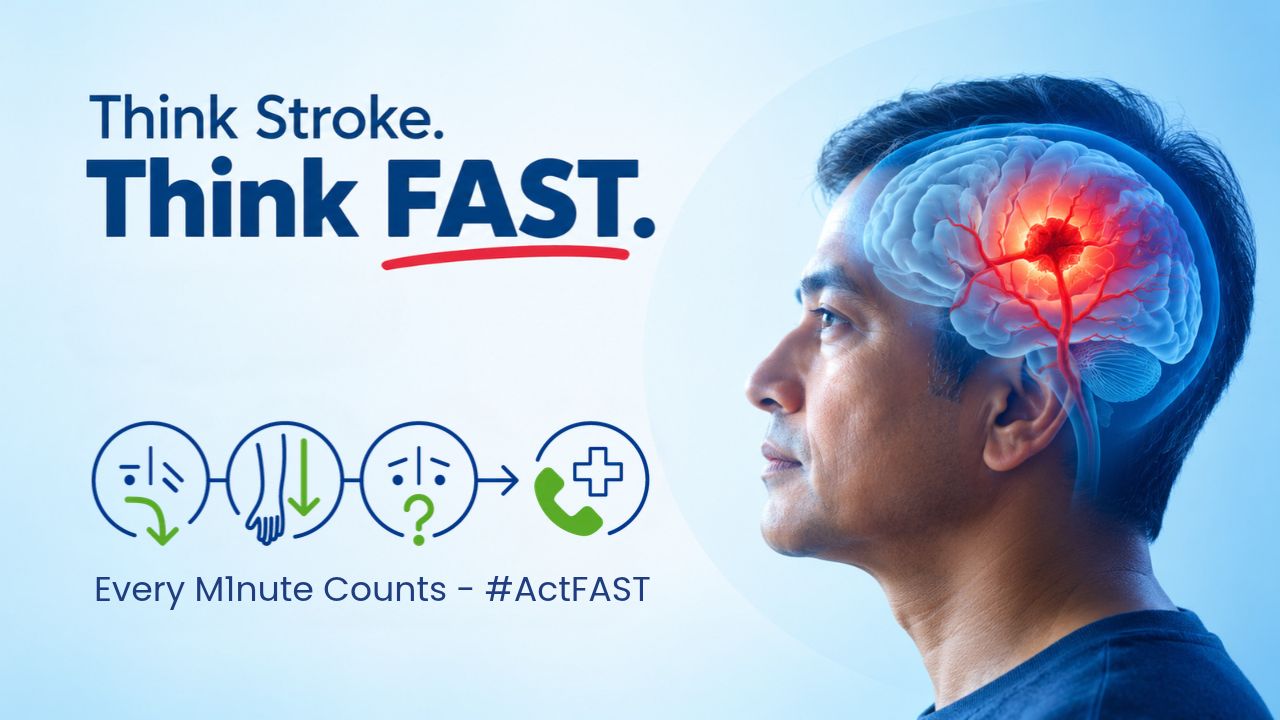
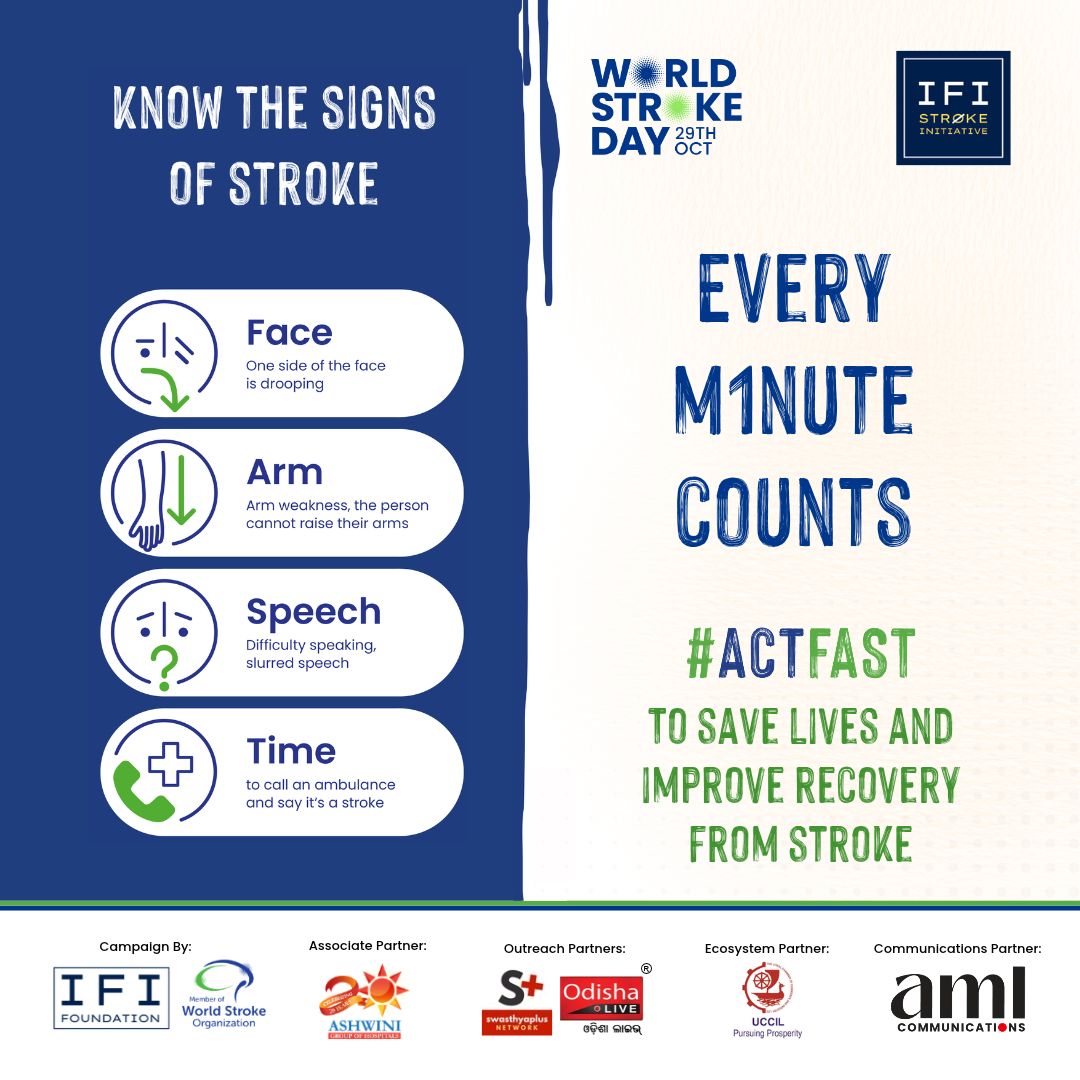
To help the common citizen identify a stroke instantly, Dr. Gantayet emphasizes the globally recognized FAST formula advocated by the World Stroke Organization:
· F (Face): Sudden drooping, numbness, or asymmetry on one side of the face.
· A (Arm): Sudden weakness, numbness, or inability to raise an arm or leg.
· S (Speech): Sudden slurring of speech, difficulty finding words, or inability to understand spoken language.
· T (Time): Time to act immediately and rush the patient to a stroke-ready hospital.
Dr. Gantayet uses a vivid metaphor to explain why every minute counts: just as a withering plant revives completely if watered in time, affected brain cells can be saved if blood circulation is restored within the "Golden Hour." This is a critical window of 4 to 4.5 hours (and up to 6 hours for certain interventions) from the onset of symptoms. If blood flow remains cut off beyond this window, brain tissue dies permanently.
She categorizes stroke-ready facilities into two tiers: Primary Stroke Centres, equipped with a CT scanner, ECG, and blood glucose testing to quickly differentiate between bleeding and a clot; and Comprehensive (Advanced) Stroke Centres, which operate 24x7 CT and MRI scanners, a Neuro Cath Lab, and a round-the-clock team of neurologists, emergency physicians, and interventional specialists.
In an ischemic stroke, reaching an advanced centre within the golden window allows doctors to dissolve the clot via chemical injection (thrombolysis) or physically extract it through a catheter (mechanical thrombectomy), completely reversing paralysis.
Who is Prone to Brain Stroke?
While advancing age naturally weakens blood vessels and increases stroke vulnerability, Dr. Gantayet warns of an alarming rise in strokes among younger adults. She attributes this to modern lifestyle shifts, identifying key risk factors:
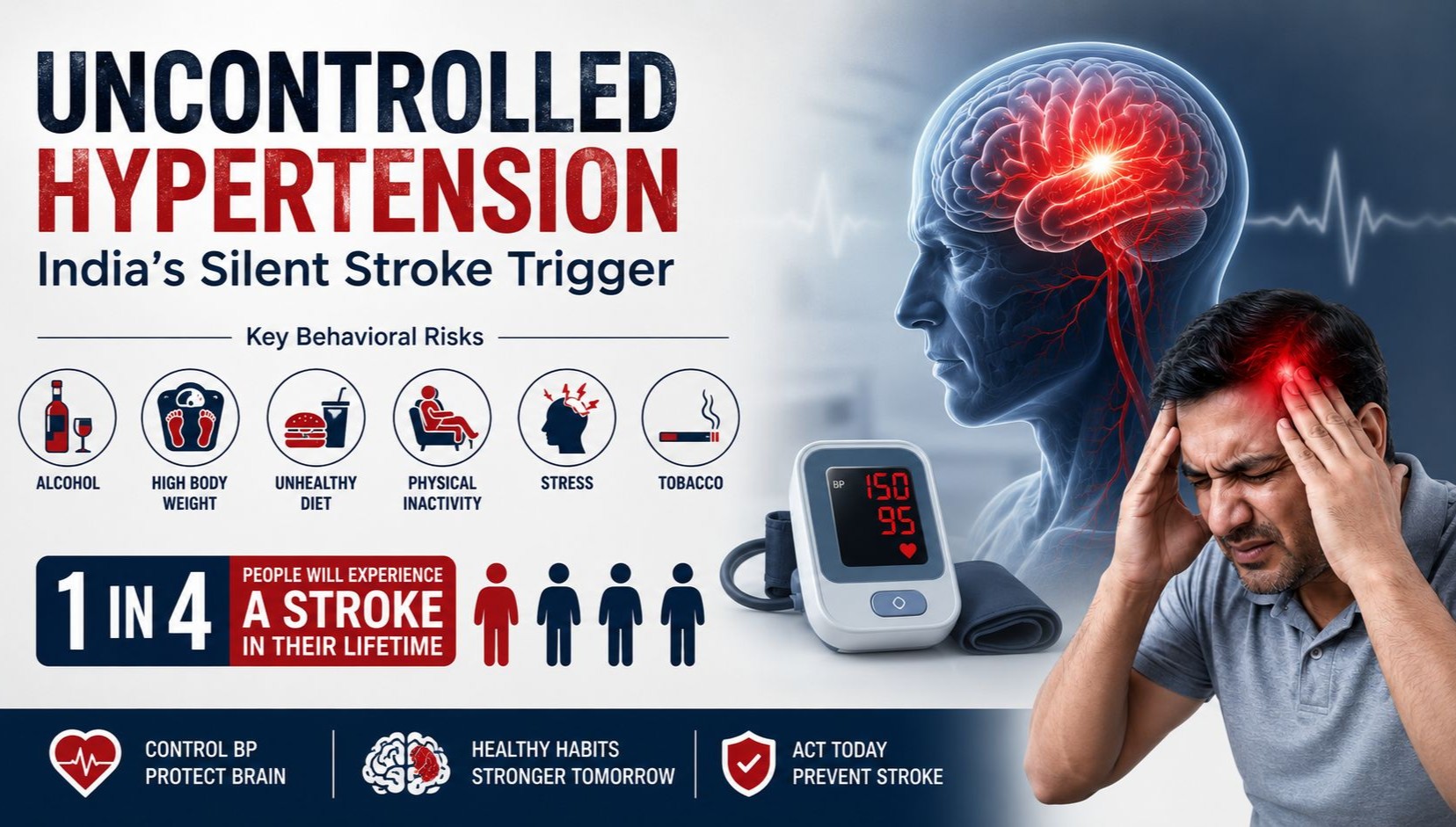
· Uncontrolled or fluctuating high blood pressure (hypertension), which remains the single biggest trigger.
· Diabetes and high cholesterol (elevated triglycerides and LDL).
· Smoking, alcohol consumption, and substance abuse (such as cannabis or cocaine).
· Chronic stress and sleep deprivation, particularly among young professionals staying awake late into the night, which disrupts the body's autonomic balance and spikes blood pressure.
Maintaining healthy blood pressure, blood sugar, and lipid levels through regular medical supervision is the cornerstone of prevention.
Post-Stroke Care: The Role of Families and Society in Rehabilitation
A stroke does not just affect an individual; it transforms the daily life of the entire family. When a patient survives a stroke with temporary or permanent paralysis, holistic post-discharge care becomes vital.
Dr. Gantayet issues a crucial practical warning for families: many stroke patients suffer from a swallowing defect (dysphagia). Out of panic or habit, relatives often try to force water, juice, or medicines into the mouth of a semi-conscious or paralyzed stroke patient. She strictly advises against giving anything orally, not even a drop of water, until a doctor evaluates the patient’s swallowing reflex, as fluids can enter the lungs and cause fatal complications. Such patients require temporary tube feeding.
Furthermore, recovery demands simultaneous, sustained rehabilitation across three pillars:
- Physiotherapy: Daily limb exercises to prevent muscle stiffness and restore movement, which must continue even after the patient starts recovering.
- Speech Therapy: For patients struggling to speak or comprehend language.
- Occupational Therapy: Retraining patients to perform daily tasks like holding a spoon, writing, or dressing themselves.
Above all, Dr. Gantayet appeals for deep empathy and patience from families and society. Because a stroke suddenly strips a person of their independence, requiring help for bathing, eating, and using the restroom, patients often feel helpless. Whether cared for by family members or trained home-care nurses, stroke survivors must never be treated with neglect or aversion.
“With three to four months of dedicated physical therapy, medical compliance, and emotional encouragement, the vast majority of stroke patients can regain their independence and return to the mainstream of life”, adds Dr Gantayet.
(Priyanka Sucharita is a communication specialist associated with the IFI Foundation's public health campaigns. Nilambar Rath is a senior journalist and public health communication specialist. He is the Co-Chair of IFI Foundation, Co-Founder of Swasthya Plus Network, and the Founder Editor & CEO of OdishaLIVE.)