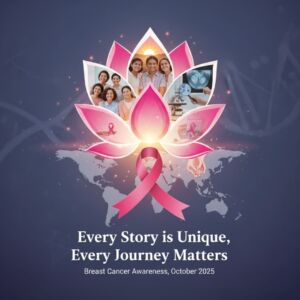
Breast Cancer Awareness: ‘Every Story is Unique, Every Journey Matters’
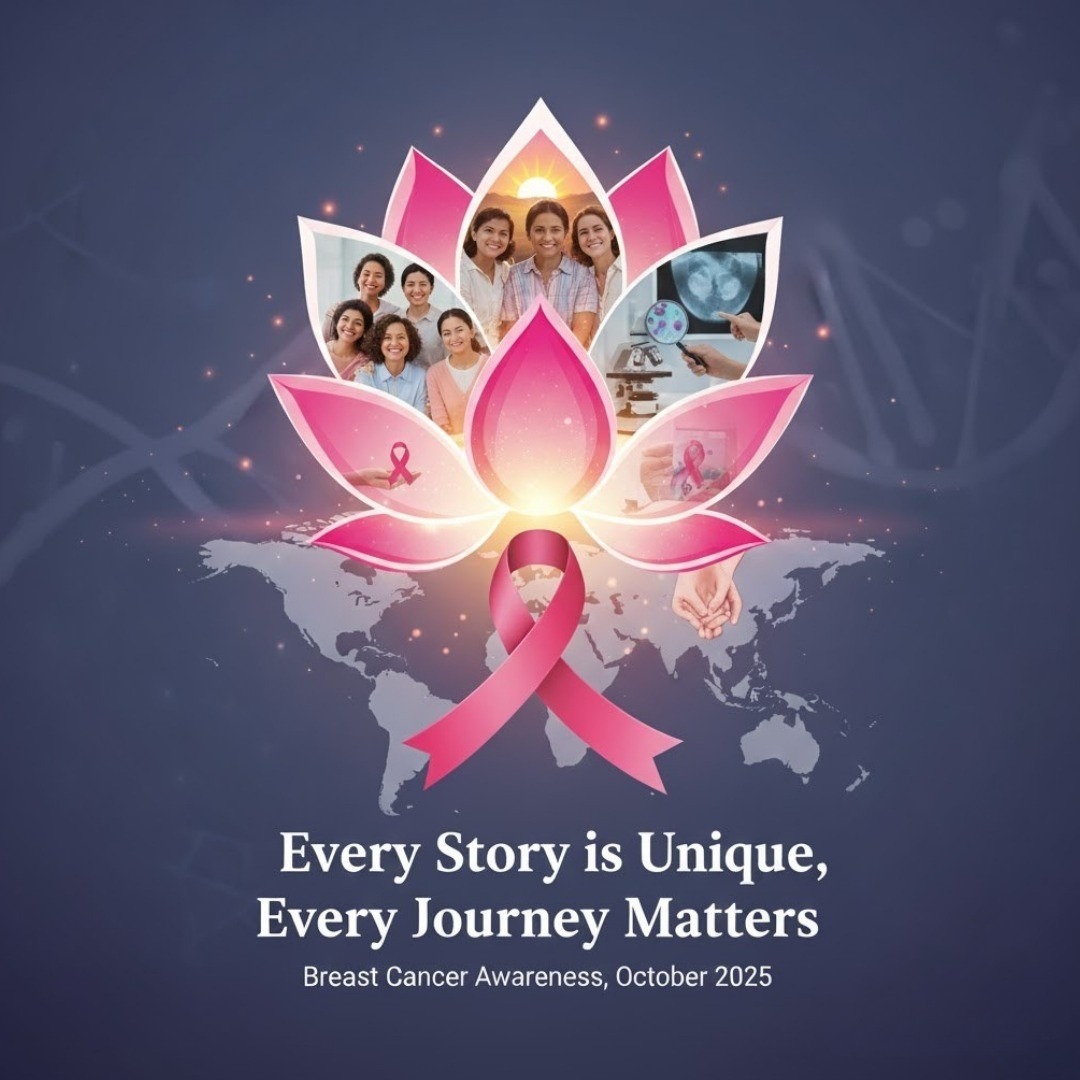
Breast Cancer Awareness Month highlights the need for early detection, timely treatment, and global action against this major public health challenge
Nilambar Rath
Breast cancer survival rates are as high as 90% in high-income countries due to robust early detection and comprehensive care. India confronts a more challenging reality with a five-year survival rate of approximately 66%, largely attributed to the delayed diagnosis of the disease. According to the WHO, “Approximately 0.5–1% of breast cancers occur in men.
The statistics are staggering. In 2022 alone, the World Health Organization (WHO) reported an estimated 2.3 million new cases of breast cancer and 670,000 deaths globally. The WHO also notes that in the same year, it was the most common cancer in women in 157 out of 185 countries. The disease knows no borders, affecting women in every country, of every age after puberty, with the risk increasing in later life. Furthermore, the World Health Organization highlights a sobering fact: “Roughly half of all breast cancers occur in women with no specific risk factors other than sex and age,” underscoring the universal vulnerability to this disease. October, globally recognized as Breast Cancer Awareness Month, serves as an annual reminder of the collective need to raise awareness about this critical public health issue. This year’s theme, ‘Every Story is Unique, Every Journey Matters,’ poignantly captures the personal and diverse experiences of those affected by breast cancer. It’s a call to acknowledge the individual struggles, triumphs, and the importance of a supportive community in the fight against this disease. A Tale of Two Worlds: Survival Rates in India and Across the Globe While the global burden of breast cancer is immense, the outcomes for patients vary dramatically, revealing deep-seated inequities in healthcare systems. In high-income countries, the five-year survival rate for breast cancer can be as high as 90%. This success is a testament to robust early detection programs, advanced treatment options, and comprehensive patient care. The scenario in India, however, presents a more challenging picture. The five-year survival rate for breast cancer in India is approximately 66%, a figure that, while improving, still lags significantly behind that of developed nations. This disparity is largely attributed to delayed diagnosis. The WHO’s data starkly illustrates this global inequity: in countries with a very high Human Development Index (HDI), 1 in 12 women will be diagnosed with breast cancer in their lifetime, and 1 in 71 will die from it. In contrast, the WHO report states that in countries with a low HDI, while only 1 in 27 women is diagnosed, a staggering 1 in 48 will die from it. Understanding the Risk: It’s Not Just a Woman’s Disease While being female is the most significant risk factor, it’s a misconception that men are immune. According to the WHO, “Approximately 0.5–1% of breast cancers occur in men,“ and the principles of treatment are the same as for women. Other risk factors include increasing age, obesity, harmful alcohol consumption, a family history of breast cancer, exposure to radiation, and certain reproductive history factors like early menstruation and late first pregnancy. However, as the WHO points out, it’s crucial to remember that about half of all breast cancers develop in women with no identifiable risk factors other than being female and over 40. The Power of Early Detection and Treatment The cornerstone of improving breast cancer outcomes is early detection. When caught in its earliest, localized stages, the 5-year relative survival rate can be as high as 99%. This highlights the critical importance of being aware of the signs and symptoms, which can include:
A lump or thickening in the breast, often painless. A change in the size, shape, or appearance of the breast. Dimpling, redness, or other skin changes. Changes in the nipple’s appearance or the surrounding skin. Abnormal or bloody discharge from the nipple.
It’s essential to seek medical advice for any of these symptoms. Most breast lumps are not cancerous, but it’s always best to have them checked by a healthcare professional. Treatment for breast cancer is multifaceted and tailored to the individual, the type of cancer, and its stage. It typically involves a combination of surgery (lumpectomy or mastectomy), radiation therapy, and medications like hormonal therapies, chemotherapy, and targeted biological therapies. Life Beyond Cancer: The Importance of Quality of Life Surviving breast cancer is not just about eradicating the disease; it’s also about ensuring a good quality of life for survivors. This is where a multidisciplinary team of oncologists, radiologists, pathologists, dieticians, physical therapists, and mental health professionals plays a vital role. Prehabilitation, which includes lifestyle interventions like exercise and psychological support between diagnosis and treatment, has also proven effective in minimizing treatment-related complications. A Call to Action The fight against breast cancer is a collective one. As individuals, we must be proactive about our health, conduct regular self-examinations, and seek timely medical advice. As a society, we must advocate for stronger public health policies, increased investment in cancer research, and equitable access to quality care for all. The WHO’s Global Breast Cancer Initiative, which aims to reduce global breast cancer mortality by 2.5% per year, thereby averting 2.5 million deaths by 2040, is a significant step in the right direction, but it requires the commitment of governments, healthcare providers, and communities worldwide. Let this Breast Cancer Awareness Month be a catalyst for change. Let’s empower ourselves and our loved ones with knowledge, support those affected by the disease, and work towards a future where breast cancer is no longer a life-threatening disease. #BreastCancerAwareness #Women’sHealth (The author is the Co-Chair of IFI Foundation and the Founder & CEO of OdishaLIVE. A senior journalist, he has a deep interest in public health communication, media, and entrepreneurship. He leads the IFI Foundation’s stroke awareness initiative as the Campaign Chair.) Courtesy: OdishaPlus