World TB Day 2026: Turning Hope into Action to End Tuberculosis
A global catalyst to stop measuring the problem and start scaling the solution.
Tuberculosis (TB) continues to stand as one of the world’s deadliest infectious diseases, affecting millions despite being both preventable and curable. Its persistent burden is not just a healthcare challenge – it highlights critical gaps in awareness, access to care, and timely intervention.
As the world observes World TB Day on March 24, it serves as an important reminder that this disease remains a serious threat and sustained, collective and decisive action is essential for its elimination. Every year, this day brings global attention urging governments, organisations, and communities to come together and strengthen efforts to eliminate TB.
This year, the observance carries even greater urgency. While progress in diagnosis, treatment, and prevention is evident, the global response against TB faces challenges such as funding gaps and healthcare disruptions. Yet, a renewed wave of innovation and global collaboration is offering fresh hope.
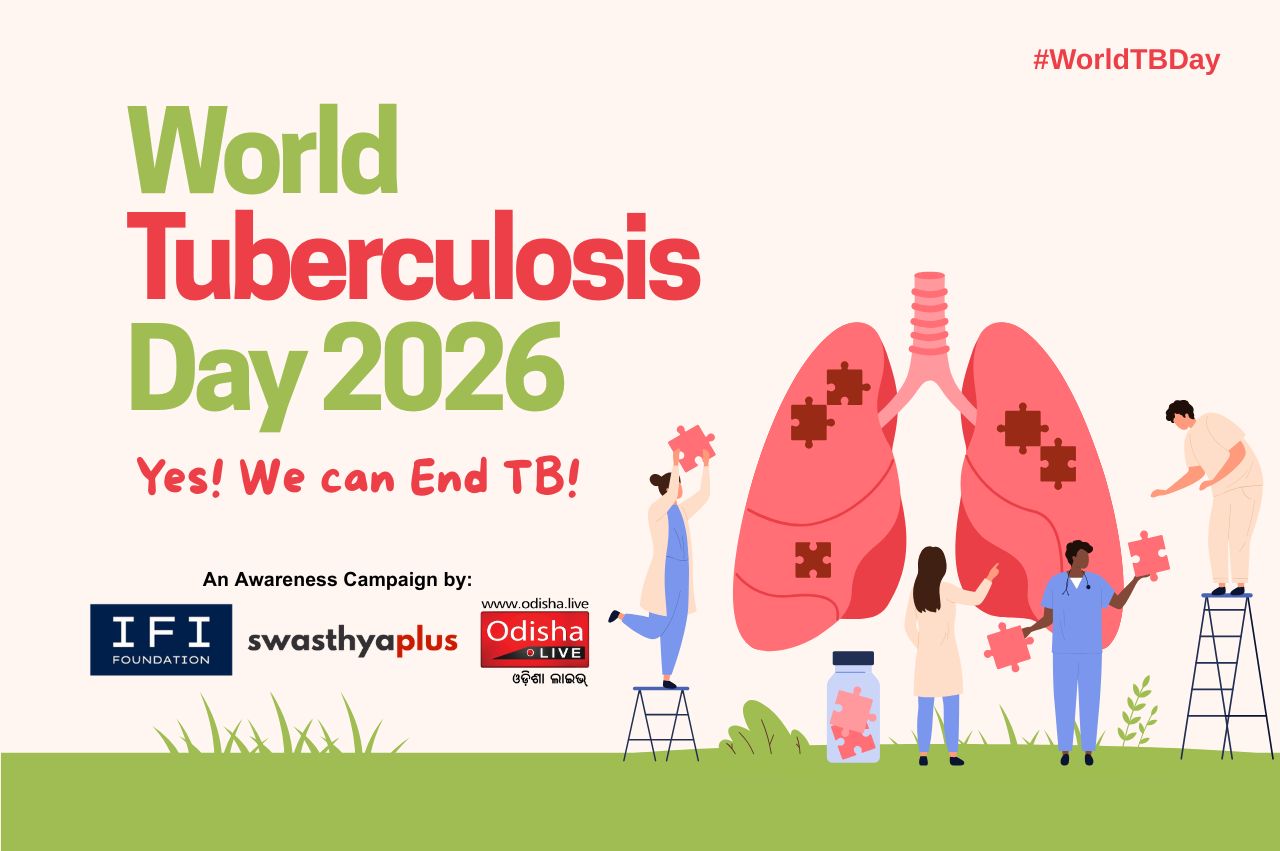
The theme for World TB Day 2026, as highlighted by theWorld Health Organisation (WHO), is “Yes! We Can End TB!”. It is a bold and hopeful message – one that reinforces the belief that ending TB is possible if we accelerate our collective action in a decisive manner.
Understanding the Challenge
Tuberculosis is caused by the bacterium Mycobacterium tuberculosis and spreads through the air when an infected person coughs or sneezes. It most commonly affects the lungs but can also impact other parts of the body. According to the Global Tuberculosis Report 2025, TB continues to be one of the top infectious killers worldwide, with 10.7 million cases and 1.23 million deaths recorded in 2024.
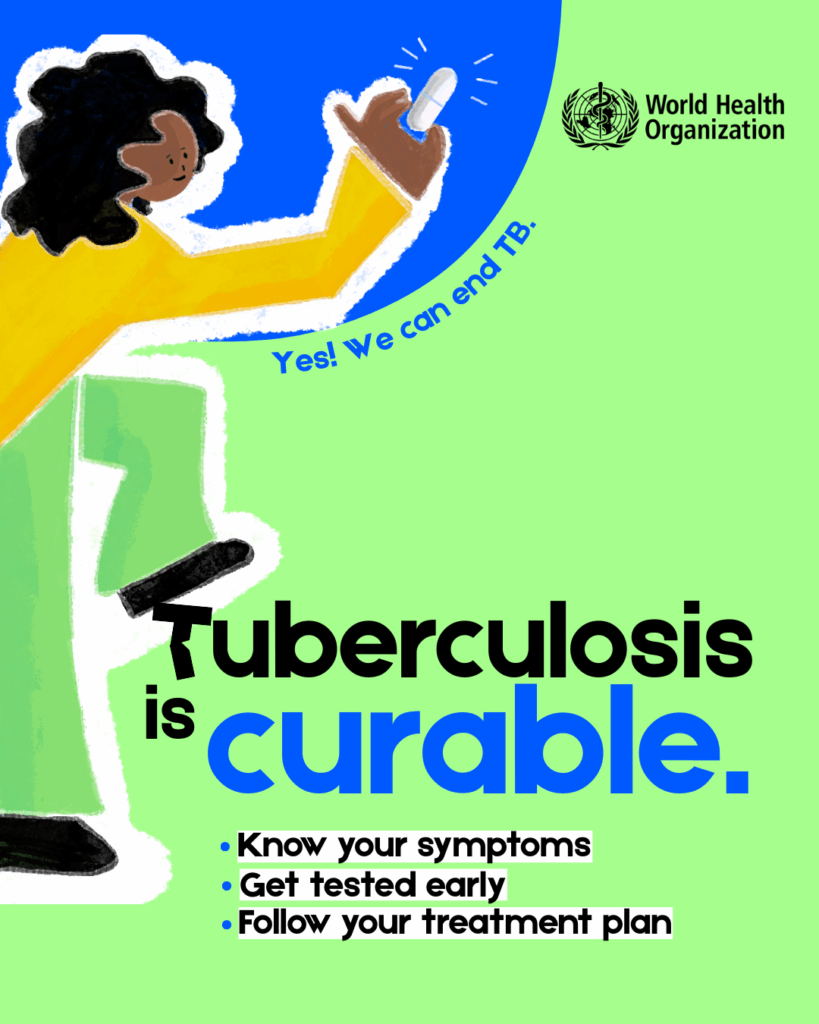
Tuberculosis is both preventable and curable. Statistics point out that with timely diagnosis and proper treatment, about 90% of TB patients can recover. However, gaps in access to healthcare, delayed diagnosis, stigma, and poor awareness continue to hinder progress. Additionally, factors such as malnutrition, poverty, diabetes, and weakened immunity increase the risk of developing TB.
At this critical juncture, global leadership and sustained commitment are essential. As Dr. Tedros Adhanom Ghebreyesus, Director-General of the World Health Organization, states:
“This is a crucial period. Even as we must strive to meet the commitments from the second United Nations high-level meeting on TB, we have entered a new period of scarcity. WHO is committed to working with donors, partners and affected countries to mitigate the impact of funding cuts, find innovative solutions, and mobilize the political and financial commitments needed to End TB.”
TB still affects millions, but it doesn’t have to.It spreads silently, but early testing can stop it.Treatment is available. Recovery is possible.This World TB Day 2026 , let’s come together; communities, institutions, and individuals, to take responsibility.Yes! We can end… pic.twitter.com/X5MkajPr5R— IFI Foundation (@IFIFoundation) March 24, 2026
Take the Lead: A Collective Responsibility
Ending TB is not the responsibility of one organisation or one sector—it demands a united, sustained effort from all. Moving beyond passive understanding, we must actively support health initiatives, share credible information to reduce stigma, and advocate for stronger public health investments. Every small step—whether it is encouraging early testing, supporting treatment adherence, or spreading awareness—contributes to a larger and meaningful impact.
IFI Foundation, in collaboration with OdishaLIVE and Swasthya Plus Network, continues to advance public health awareness through focused digital knowledge-sharing initiatives, ensuring that credible reliable, and easy-to-understand information reaches communities that need it most. This approach not only bridges the information gap but also empowers individuals to make informed decisions about their health. However, awareness alone is not enough to bring lasting change. Real progress depends on collective participation and shared responsibility.
The Global Tuberculosis Report 2025 also underscores that current funding levels are far below global targets, posing a serious threat to progress. Without urgent action, the goal of ending TB by 2030 may remain out of reach.
On this World TB Day, the message is clear: awareness alone is not enough. It is time to act—with urgency, collaboration, and commitment.
**Yes, we can end TB – but only if we act together, now.
**