The Youth Action Imperative: How Bold Policy and Behavior Change Can Defuse the Climate Time Bomb

Nilambar Rath
Without urgent climate action, today’s children will face up to 7 times more extreme weather events over their lifetimes than their grandparents, highlights UNDP’s Climate Counts publication
The climate crisis is no longer a distant threat hovering on the horizon; it is the defining, undeniable reality of our present. Yet, for many, the sheer scale of the global environmental emergency can feel paralyzing.
To cut through this abstraction, we must look at the hard data. The “Climate Counts” pocketbook by the United Nations Development Programme (UNDP) lays bare the arithmetic of our survival. It is a ledger of stark warnings, but also a roadmap of immense opportunities.
When we analyze this data through the lens of development, climate change, and the global economy, a clear narrative emerges: humanity is at a crossroads. We must rapidly deploy technology to save the climate, fundamentally rewire our daily behaviors, and implement aggressive policy actions.
Above all, we must recognize that this is a generational battle. Nearly half of the world’s population is under 30. The future they inherit must be low-carbon, safe, and just. For this to happen, youth action and advocacy must take center stage in shaping the policies of tomorrow.
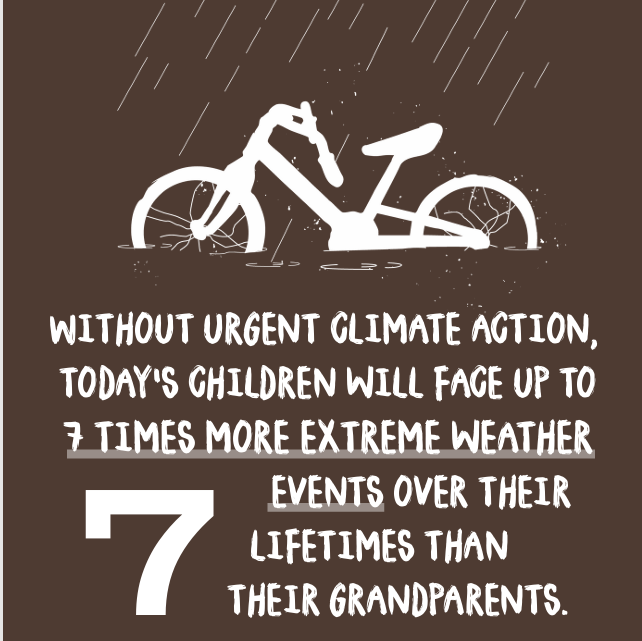
Image Courtesy: UNDP Climate Counts
The Generational Injustice: Why Youth Action is Non-Negotiable
The numbers surrounding the generational impact of global warming are staggering. Without urgent climate action, today’s children will face up to 7 times more extreme weather events over their lifetimes than their grandparents. As these young people advance through life, they will bear the full, devastating force of heatwaves, floods, wildfires, and crop failures.
This is not merely an environmental crisis; it is a profound threat to global development and human rights. For instance, when climate impacts hit vulnerable communities, they amplify existing inequalities.
Due to these impacts, millions of girls around the world are not able to complete 12 years of education. Ensuring that all children, especially girls, can access quality education in a changing climate is an absolute prerequisite for sustainable development around the world.
“Without urgent climate action, today’s children will face up to 7 times more extreme weather events over their lifetimes than their grandparents.”
The Global Economy: The Staggering Price of Inaction
Skeptics of climate policy often cite the financial burden of transitioning away from fossil fuels. However, the UNDP data flips this narrative entirely: inaction is infinitely more expensive. The cost of damages caused by climate change is 6 times higher than the cost of meeting the goals of the Paris Agreement. These damages to agricultural yields, labor productivity, and infrastructure are estimated to reach an astonishing US$38 trillion.
Conversely, proactive policy actions yield massive economic returns. Every $1 invested in climate adaptation and resilience can generate more than $10 in benefits over 10 years. The green economy is not a niche market; it accounts for nearly 9% of capital markets worldwide, valued at US$7.9 trillion.
Furthermore, shifting our production paradigms offers massive employment opportunities. The circular economy could create more than 22 million new jobs in Africa, Latin America, and the European Union by 2030. Embracing these models is essential for sustainable global economic growth, aligning directly with the United Nations Sustainable Development Goals (SDGs).
Deploying Technology to Save the Climate
To stabilize our atmosphere, we must rapidly scale up technology, particularly in the energy and transport sectors. The transition to renewable energy is the cornerstone of this effort. Currently, solar and wind provide 15% of global electricity, a share that is expected to more than double by 2030. Because solar and wind power are now 41% and 53% cheaper than fossil fuel alternatives, they represent the fastest-growing sources of electricity in history.
Beyond generation, energy efficiency is a vital technological frontier. The industrial sector can cut 11% of global energy-related emissions by 2030 through cost-effective energy efficiency measures. Similarly, the transport sector, which accounts for almost 14% of global emissions, provides a major opportunity for climate action. Policy actions must aggressively subsidize and mandate low-emission public transport, electric road transport, and walking and cycling networks to transform how we move.
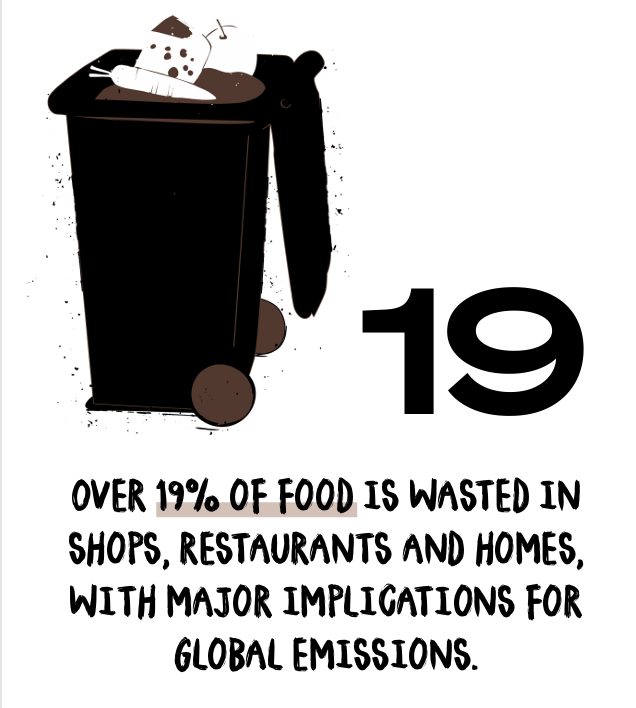
Image Courtesy: UNDP Climate Counts
Rewiring Human Behavior: Consumption, Food, and Nature
While large-scale technology and policy are critical, saving the people and the planet also requires an immediate, massive shift in human behavior. Our current patterns of consumption are destroying the fragile balance that sustains life on Earth.
Consider the food we eat. Agriculture is responsible for a third of global greenhouse gas emissions. Despite the massive environmental footprint of farming, over 19% of food is wasted in shops, restaurants, and homes. Changing our behavior to eliminate this food waste is a direct, immediate way individuals can reduce global emissions.
Our reliance on single-use materials is another behavioral crisis. Around 13 million tonnes of plastics accumulate in soils annually, heavily impacting soil health and crop growth. Over time, these degrade into microplastics, infiltrating the water and food we consume.
Furthermore, our demand for land and resources is driving catastrophic biodiversity loss. In 2024 alone, 18 football fields of primary tropical forests were lost every minute. Behavior change must work in tandem with strict conservation policies. Notably, more than 17% of land and inland waters are now protected, showing that concerted action can yield results.
Policy Actions for a Just and Resilient Future
At the institutional level, policy actions must be swift, equitable, and enforceable. The climate crisis is fundamentally a matter of justice. For example, Africa is responsible for less than 4% of global emissions, but climate impacts are taking an increasingly extreme toll on the continent.
Public health policies must brace for impact. The cost of climate impacts on health could reach US$21 trillion in low-and middle-income countries by 2050. Furthermore, basic development policies must address energy poverty; globally, 26% of people lack access to clean cooking solutions, forcing them to rely on wood and charcoal, which contributes to 3.7 million premature deaths annually.
Governments must leverage economic tools like carbon pricing, which currently covers around 28% of global emissions, to shift the burden of damage back to the polluters. Additionally, investing in adaptation technologies like early warning systems is a moral imperative. A 24-hour advance warning of incoming extreme weather can save lives and reduce damage by almost a third.
The Path Forward
The numbers compiled by the UNDP are an urgent wake-up call. We cannot achieve the UN SDGs if we allow global temperatures to rise unchecked.
The youth of today understand this intuitively; 8 out of 10 people globally want their governments to do more about climate change. It is time for leaders across the global economy to listen.
By embracing renewable energy, leveraging technology, enforcing stringent environmental policy actions, and committing to vital behavior change, we can defuse this crisis. The successful economies of the future are the ones taking climate action now. We owe it to the youth, and to the planet, to ensure those actions begin today.
(Data and insights and images courtesy of the UNDP “Climate Counts” pocketbook)
(About the Author: Nilambar Rath is a senior journalist, communication specialist, and development communication expert based in Bhubaneswar, Odisha. He is the Founder Editor & CEO of OdishaLIVE, one of the state’s pioneering digital media platforms. With over three decades of experience spanning journalism, media strategy, and public communication, Nilambar has been closely associated with various social impact initiatives aimed at advancing education, culture, heritage preservation, and grassroots development across Odisha.As Co-Founder & Mentor of the IFI Foundation, Nilambar Rath helps accelerate youth action for the SDGs and leads research & action to advance its mission of social outreach and public health awareness through SBCC. He writes on policy, governance, and social development for www.odisha.plus.)
Courtesy: OdishaPlus